|

Hi & welcome to Rob & Carol's HOMEPAGE. We would like to share with you our
lifestyle..... where we live, our family & what we enjoy most, exploring &
camping with our camper trailer.
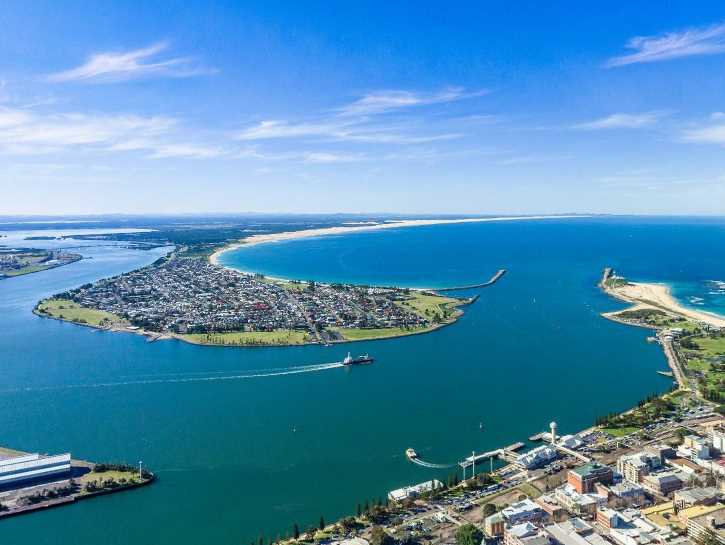
We live at Stockton a suburb of Newcastle, NSW, on the east coast of Australia, about a one &
a
half hour drive north of Sydney. Our suburb is a peninsular, therefore we are surrounded
on one side by the Tasman Sea which is part of the Pacific Ocean & the Hunter
River.
Stockton sits
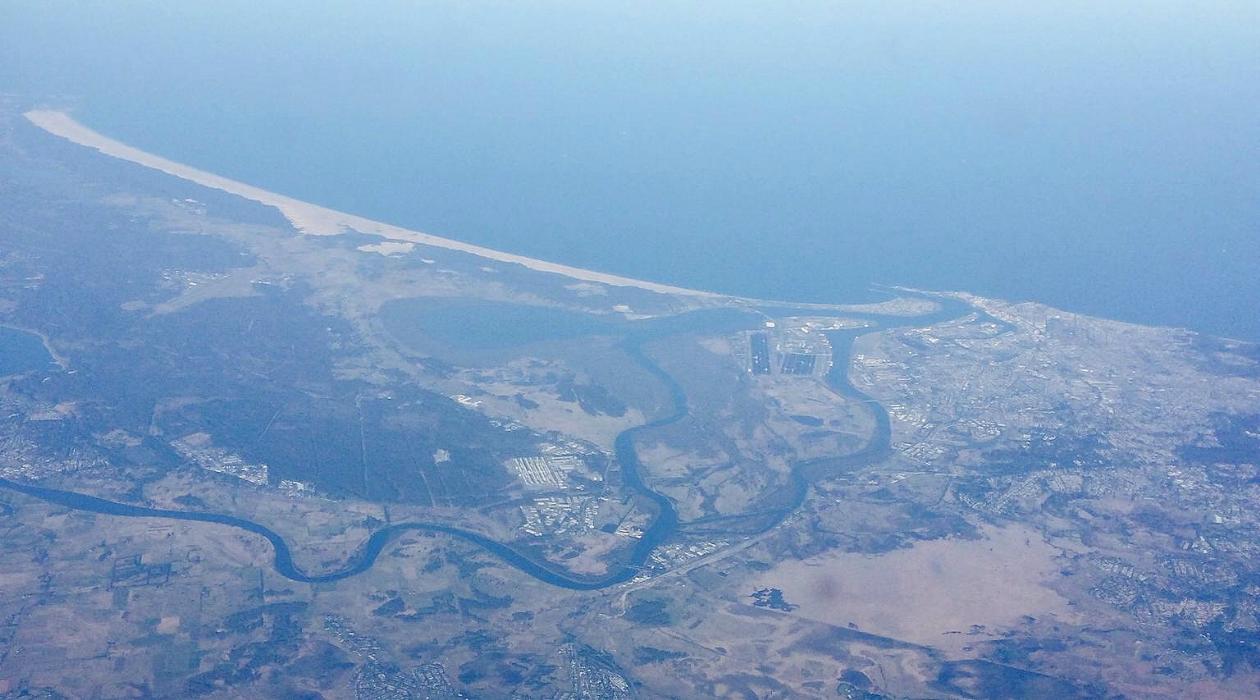
at the bottom of a beautiful 32 kilometre long unspoilt beach. The dune system
is the longest continuous outer barrier in New South Wales & is approximately
11,000 years old.
Stockton
Bight Coastal Sand Dune Ecosystem
Both Carol & I were born on
Stockton & have lived here all our lives.
It is a great place to live. We have
two
children, Lana
& Patrick & three grand daughters, Brydie Jayne born 7th
July 2004, Mia Louise born 7th October 2009, Lily Jayne born 4th February 2012 &
a grandson, Kai John born 9th June 2016.
Newcastle Harbour is a busy port for international shipping. Coal &
grain are
the two main cargos which are exported to destinations all over the world.
Newcastle Port Corporation handled 53,000,000 tonnes of coal in 2013.
There are
basically three different sized coal ships that enter the port. Handy size
(20,000 to 35,000 tonnes capacity) & a Handy Max 35,000 to 50,000 tonnes
capacity) which loads & discharges from river ports around the world. Then there
is the Panamax size (50,000 to 90,000 tonnes capacity) able to sail through the
Panama Canal. And the Cape size (90,000 to 180,000 tonnes capacity) which can
sail around the Cape of Good Hope & Cape Horn, but are too large to enter the
Panama Canal.
Newcastle Port Authority
Newcastle has
a temperate climate. Hot summers are cooled by a reliable nor'east
sea breeze, while winters are cool to cold with the colder blasts coming off
Antartica. It does
occasionally snow in winter on the 1500 metre high Barrington Tops some 100
kilometres to the northwest.
Hunter Valley Weather
Newcastle & the Hunter River Valley have a fascinating history. The first
Europeans to visit the Newcastle area was a party of marines in a ships
longboat in 1797 lead by Lt. John Shortland looking for escaped
convicts from Sydney's penal colony. Exploring the lower reaches of the river
the party found seams of
coal in the sandstone cliff faces, Shortland named it Coal River. It wasn't long
till the worst convicts were moved to the Coal River to work in coal mines, burn
oyster shells to make lime for building mortar & also to harvest cedar which
grew along the banks river further upstream. The convicts formed rafts of cedar
logs & floated them back down to the Coal River penal colony. The logs were then
shipped to Sydney for government building works which still stand today.
Coal
River Heritage
Before
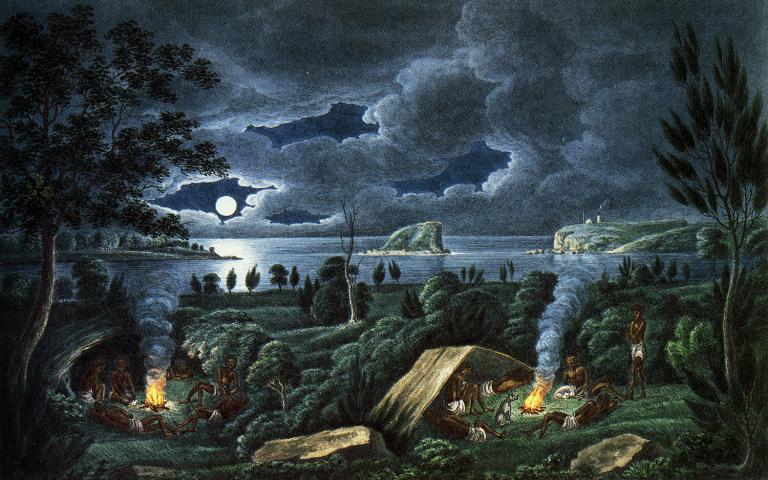
European settlement the area north of the harbour was inhabited by the native
Worimi Aboriginal people for
some 15,000 years. The Worimi were made up of several tribes of which the
Maiangal people, which is pronounced Mayan-gahl, inhabited the Stockton Bight area
from the Hunter River north to the Tomaree Peninsular on the southern shores of
Port Stephens. Their rich & well established culture did not last long after
Europeans took up farmlands & grazed livestock on their traditional land. It is
a shame the only remains today is on the Sydney Sandstone rock platforms in the
form of mystical totem engravings, along with hand, tool & weapon stencils inside
caves.
Worimi people
The geology of the area is also of interest. Newcastle sits on a thick layer of
sandstone built up over millions of years of sediments. These sediments also
hold vast coal seams which are mined & exported around the world.
Hunter Valley Coal

NEW
Rocky Waterholes -
https://www.robcaz.net/rocky_waterholes.htm
 Track Trailer photo page 10
-
https://www.robcaz.net/more_track_pics10.htm
Track Trailer photo page 10
-
https://www.robcaz.net/more_track_pics10.htm
Seaton's Farm -
https://www.robcaz.net/seatons_farm.htm
Paterson River page 9 -
https://www.robcaz.net/lostock9.htm
Nowendoc National Park page 4 -
http://www.robcaz.net/nowendoc4.htm
Budds Mare Oxley Wild Rivers National Park -
http://www.robcaz.net/budds_mare.htm
please drop us an email

 Built by
Rob - July 2004
Built by
Rob - July 2004
updated - May 2026
|